Case Studies

How connected commerce systems solve practical growth constraints.

These representative scenarios show how our capabilities can be combined. They illustrate operating models, not claims about a named client or guaranteed results.

View Pricing
Scenario 01

From owner bottleneck to managed store

An owner with limited operating bandwidth moves product research, listings, and customer support into one managed workflow.

Constraint: fragmented daily executionApproach: centralized operating ownershipOutcome focus: consistency and capacity

Scenario 02

Building a cross-border foundation

A partner preparing for international marketplaces coordinates entity, payment, and secure access requirements.

Constraint: disconnected setup tasksApproach: sequenced infrastructure planOutcome focus: launch readiness
Scenario 03

Inventory closer to customers

A growing catalog uses regional warehousing to create a more resilient fulfillment footprint.

Constraint: long-distance fulfillmentApproach: selective inventory placementOutcome focus: service and delivery reliability
Scenario 04

An operator-investor partnership

Capital and operating capabilities are aligned through defined roles, milestones, and reporting.

Constraint: capability imbalanceApproach: structured joint ventureOutcome focus: accountable execution
From friction to a measurable operating rhythm

Scenario highlight

From friction to a measurable operating rhythm

When a team is overwhelmed, the right fix is rarely more volume. It is a clearer operating system and cleaner decision flow.

Workflow clarity
Priority control
Support flow
Global launch planning built around sequence

Scenario highlight

Global launch planning built around sequence

Cross-border readiness depends on layering infrastructure, legal structure, and operational decisions in the right order.

Launch sequence
Access planning
Market rollout
Inventory strategy that protects the customer experience

Scenario highlight

Inventory strategy that protects the customer experience

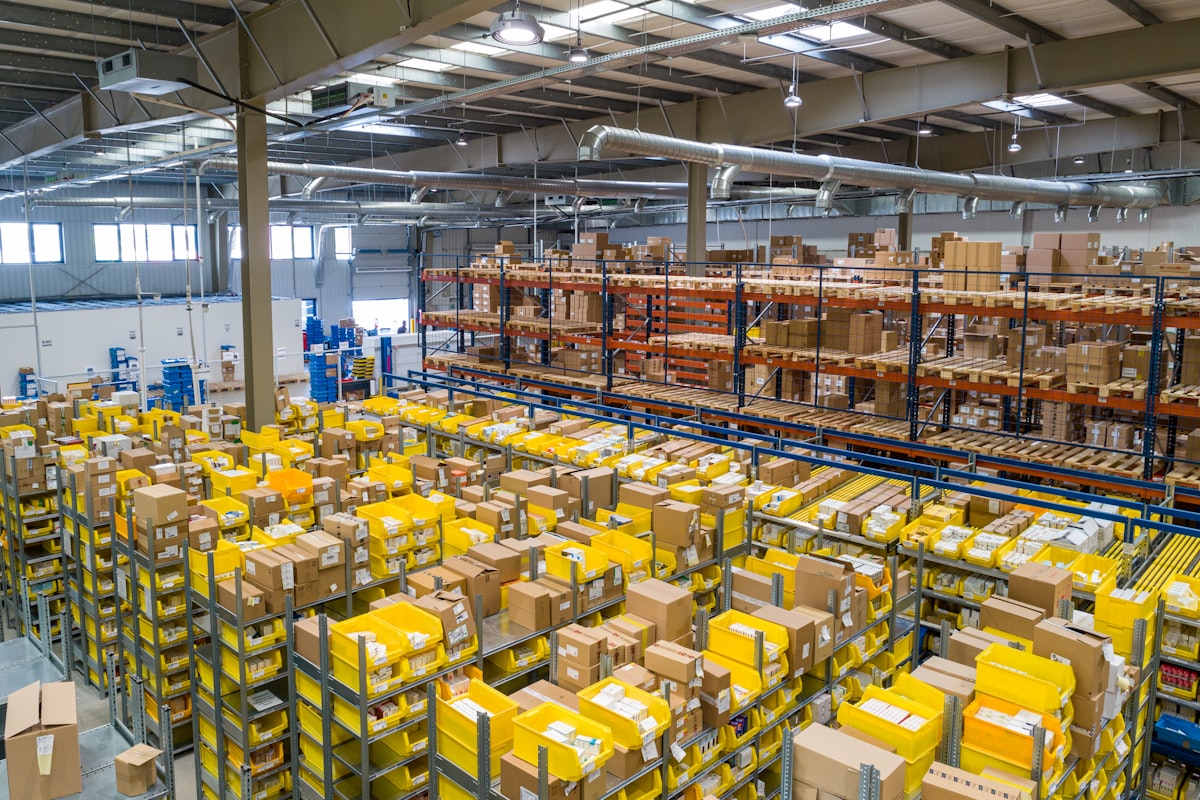
A better logistics footprint lowers risk, improves timing, and reduces the cost of working around poor fulfillment decisions.

Inventory flow
Fulfillment logic
Delivery certainty

Commercial pattern

The point is not one tactic — it is the system.

Growth becomes more durable when the operational, financial, and fulfillment layers are constructed around each other instead of independently.

Integrated operating workflow
Infrastructure matched to scale
Warehouse alignment and fulfillment clarity
Commercial accountability and reporting

Your situation deserves its own operating plan.

Results depend on market conditions, platform rules, product economics, and execution. We begin by understanding those variables clearly.